
Dasha's Skincare Blog

Why Sulfur Deserves a Place in Every Acne Treatment Plan
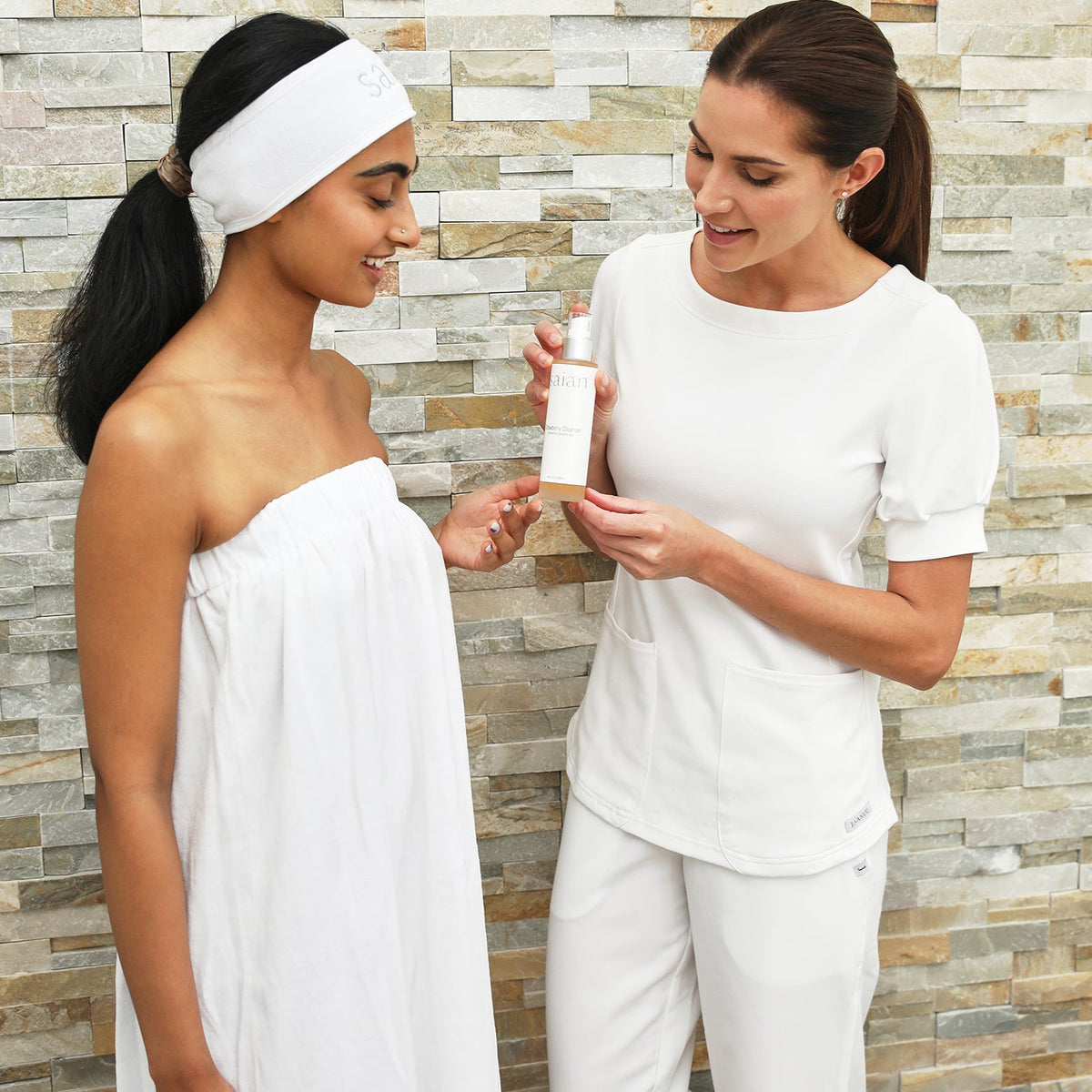
For decades, sulfur has quietly remained one of the most effective ingredients for managing acne. While ingredients like salicylic acid, benzoyl peroxide, and retinoids often dominate the conversation, sulfur continues to be trusted by dermatologists and estheticians for one simple reason—it works. From inflamed papules and pustules to oily, congested skin, sulfur offers multiple benefits while often being gentler than many traditional acne treatments. When incorporated into a professional skincare regimen, sulfur can help clear existing breakouts while supporting healthier-looking skin over time. Sulfur is a naturally occurring mineral with several properties that make it particularly effective for acne-prone skin. Overproduction of sebum is one of the primary contributors to acne. Sulfur helps absorb excess oil from the skin's surface, reducing the environment that acne-causing bacteria thrive in. Unlike harsh alcohol-based products that can strip the skin, sulfur helps control oil while maintaining a more balanced complexion. Sulfur is considered a keratolytic ingredient, meaning it helps soften and loosen the dead skin cells that can clog pores. By encouraging the shedding of built-up skin cells, sulfur helps keep follicles clearer and reduces the formation of new comedones. Sulfur possesses natural antimicrobial properties that help reduce the microorganisms associated with acne. While it doesn't work exactly like an antibiotic, it helps create conditions that are less favorable for acne-causing bacteria. One of sulfur's greatest strengths is its ability to reduce the appearance of redness and inflammation associated with active blemishes. This makes it especially beneficial for inflamed papules and pustules that are tender and swollen. Professional acne treatments rarely rely on just one ingredient. Instead, they combine multiple active ingredients that target different causes of acne simultaneously. This is exactly why the Saian Active RX Mask has become a favorite among estheticians. The Saian Active RX Mask combines several proven acne-fighting ingredients into one professional treatment. Sulfur Sulfur helps absorb excess oil, reduce congestion, promote gentle exfoliation, and visibly calm inflamed blemishes. Salicylic Acid As an oil-soluble beta hydroxy acid, salicylic acid penetrates deep into pores to dissolve excess sebum and dead skin cells that contribute to blackheads and breakouts. Zinc Oxide Zinc oxide is known for its soothing properties and helps calm irritated skin while supporting the skin's natural healing process. Bentonite Clay Bentonite clay draws impurities and excess oil from the skin, leaving pores feeling deeply cleansed without aggressive scrubbing. Camphor Camphor provides a refreshing sensation while helping soothe oily, blemish-prone skin. Together, these ingredients create a comprehensive treatment that addresses multiple factors involved in acne development, making the mask an excellent choice during professional facial treatments or targeted acne protocols. Professional treatments are essential, but clients spend the majority of their time at home. That's why targeted home care plays such an important role in acne management. The Saian Blemish Spot Treatment is designed to deliver sulfur directly to individual blemishes between professional appointments. Applying a sulfur-based spot treatment at the first sign of a breakout can help: Visibly reduce the appearance of redness Dry excess oil within the blemish Help minimize the size of developing pimples Support faster resolution of surface blemishes Discourage picking by creating a protective treatment layer Rather than treating the entire face, spot treatments allow clients to target only the affected areas while leaving surrounding skin comfortable. Although sulfur has been used in skincare for centuries, modern formulations have significantly improved both the texture and user experience. Today's sulfur treatments are more elegant, easier to apply, and can be combined with complementary ingredients to enhance results while minimizing dryness. For many clients—especially those with oily, combination, or acne-prone skin—sulfur remains one of the most dependable ingredients available. Building an Effective Acne Routine Successful acne treatment rarely depends on one "miracle" ingredient. Instead, it requires consistency and a combination of products that address excess oil, clogged pores, inflammation, and proper home care. A professional treatment featuring the Saian Active RX Mask, combined with daily skincare recommendations and the Saian Blemish Spot Treatment for individual blemishes, provides a comprehensive approach to managing acne. When paired with proper cleansing, regular exfoliation, sun protection, and guidance from a licensed esthetician, sulfur can become an invaluable part of achieving clearer, healthier-looking skin. Sulfur has stood the test of time because it addresses several of acne's root causes at once. It helps control oil, encourages gentle exfoliation, supports a cleaner skin environment, and calms the appearance of inflamed blemishes. Whether incorporated into a professional treatment like the Saian Active RX Mask or used as targeted home care with the Saian Blemish Spot Treatment, sulfur remains one of the most effective and versatile ingredients available for acne-prone skin. For estheticians looking to build results-driven acne protocols, sulfur deserves a permanent place in the treatment room.
Learn more
February: The Ultimate Self-Care Month for Your Skin
February is here, bringing cozy vibes and a renewed focus on self-care. As we navigate the last stretch of winter, it’s the perfect time to show your skin some extra love. After all, self-care isn’t just about bubble baths and yoga—it’s also about creating routines that help you feel and look your best. So, let’s dive into how you can make February your skin’s favorite month. Why Your Skin Deserves Extra Love in February Winter weather can be harsh on your skin. The cold air outside and heated indoor spaces can strip your skin of moisture, leaving it feeling dry, dull, and even irritated. Combine this with leftover holiday stress, and your skin may be begging for some TLC. February is the ideal time to reset and refresh, ensuring your skin is glowing as spring approaches. Set a Routine with Your Esthetician If there’s one thing your skin will thank you for, it’s a regular visit to an esthetician. Professional treatments can do wonders for addressing concerns like dryness, dullness, fine lines, or acne. Aim to schedule a facial every 3 to 4 weeks—this aligns with your skin’s natural renewal cycle, optimizing results. During these sessions, your esthetician can: Perform deep cleansing and exfoliation to remove dead skin cells. Tailor treatments to your specific skin needs (hydrating masks, microcurrent treatments, massage, peels, or LED therapy, anyone?). Offer expert advice on what your skin craves at this time of year. Pro Tip: February is also a great month to try more intensive treatments, like chemical peels, as sun exposure is often lower during winter. Create a Consistent Home Care Routine While professional treatments are essential, your daily skincare routine is the backbone of healthy skin. Here’s a simple yet effective regimen to follow: Cleanse: Use a gentle, hydrating cleanser to remove impurities without stripping your skin. Exfoliate: Incorporate a mild exfoliant 1-2 times a week to slough off dead skin cells and boost radiance. Hydrate: Apply a hyaluronic acid serum to lock in moisture, followed by a rich moisturizer. Protect: Don’t skip sunscreen—yes, even in February! UV rays can still damage your skin, even on cloudy days. Treat: Tailor this step to your needs. Whether it’s a brightening vitamin C serum or a calming probiotic mask treatment, make it work for you. Pamper Nights: A Self-Care Must Dedicate one evening a week to an at-home spa night. Start with a relaxing cleanse, then: Apply a luxurious face mask tailored to your skin’s needs (hydrating, clarifying, or brightening). Use ice globes to cool the skin and reduce redness. Finish with a nourishing oil or overnight mask for the ultimate hydration boost. Light some candles, play soothing music, and make it a ritual—self-care isn’t just good for your skin; it’s great for your soul. Lifestyle Habits for Radiant Skin Your skin reflects your overall health, so adopt habits that nourish it from the inside out: Hydrate: Drink plenty of water to keep your skin plump and glowing. Eat Skin-Loving Foods: Focus on a diet rich in antioxidants, healthy fats, and vitamins (think berries, salmon, and leafy greens). Sleep Well: Your skin repairs itself while you sleep, so aim for 7-8 hours of quality rest each night. Stress Less: Chronic stress can wreak havoc on your skin, so find time for activities that help you relax, whether it’s yoga, journaling, or meditation. Commit to Your Skin This February February is all about falling in love with taking care of yourself—and your skin deserves to be part of the celebration. By combining regular visits to your esthetician with a solid home care routine and healthy lifestyle habits, you’ll set the stage for your most radiant skin yet. So, let’s make self-care a priority and show your skin the love it truly deserves. Your future glowing self will thank you!
Learn more
Breaking Through the Scars: Exploring the Latest Innovations in Keloid Treatment
Keloids, the overgrowths of scar tissue that extend beyond the original wound, have long presented challenges for those affected. The recurrence of these scars has sparked ongoing research into advanced treatments. In this blog, we will delve into the world of keloids, understanding their origins, and exploring the most recent and effective treatments available. Understanding Keloids:Before we explore the newest treatment options, let's briefly understand keloids. These raised scars result from an abnormal wound healing response, where the body produces excess collagen during the healing process. This surplus collagen leads to the development of a raised, thickened scar that extends beyond the original injury site.While keloids can form after any skin injury, they are more common in areas with minimal fatty tissue, such as the chest, back, shoulders, and earlobes. Contributing factors to keloid formation include genetics, age, and the nature of the wound. Typically, the injuries that can contribute to keloids are: Ear Piercings or Body Piercings Acne Chicken Pox and Shingles Abrasions on the skin Burns Vaccination sites and Injection sites Surgical sites C-section scars Lasers and Cosmetic procedures Traditional Treatment Approaches:Historically, treating keloids has been a challenge, with traditional methods such as corticosteroid injections, surgery, laser therapy, and cryotherapy often falling short in providing long-term success. Recurrence remains a persistent issue.The Latest Breakthroughs:Recent advancements in medical research have paved the way for more effective and innovative treatments for recurring keloids. Here are some of the cutting-edge options:1. Radiation Therapy:- Low-dose radiation therapy has shown promise in preventing keloid recurrence post-surgery, inhibiting collagen production and controlling the overactive healing response.2. Cryotherapy with Liquid Nitrogen:- Freezing keloids with liquid nitrogen has proven effective in reducing size and preventing recurrence by eliminating abnormal cells.3. Topical Silicone Gel:- Recent innovations in silicone gel formulations have shown success in flattening and softening keloid scars.4. Biological Therapies:- Emerging biological therapies, including interleukin-10 (IL-10) injections, focus on modulating the immune response to curb excessive collagen formation.5. Laser Therapy with Fractional Lasers:- Fractional lasers target specific areas of keloids, promoting collagen remodeling and reducing scar elevation.6. 5-Fluorouracil:- The inclusion of 5-Fluorouracil, an antimetabolite medication, disrupts abnormal cell proliferation in keloid tissue, offering a novel avenue in managing these scars.7. Botulinum Toxin Type A:- Botulinum Toxin Type A, commonly used in cosmetic procedures, is showing promise in keloid treatment. By inhibiting muscle contractions and modulating cellular activities, it may contribute to preventing keloid recurrence. 8. Pressure Earrings:- Pressure earrings, designed to exert constant pressure on the keloid, have demonstrated effectiveness in flattening and reducing the size of keloid scars. This non-invasive approach helps regulate collagen production and can be a valuable addition to keloid management. Living with recurring keloids can be challenging, but the latest advancements in medical science offer hope for more effective and enduring solutions. From radiation therapy to innovative biological approaches and the inclusion of 5-Fluorouracil and Botulinum Toxin Type A, ongoing research is pushing the boundaries of keloid management. If you or someone you know is grappling with recurring keloids, consulting a healthcare professional is crucial to explore the most suitable and cutting-edge treatment options.
Learn more
Cupping Therapy: Unveiling the Ancient Art and Modern Wellness Benefits
In the pursuit of skin health and well-being, today’s estheticians are embracing the age-old practice of cupping, unlocking benefits that go beyond the surface. I myself am a believer in holistic wellness, and as a practicing esthetician of over 17 years, I’m always searching for the best modalities to enhance my clients’ experience and results. Cupping isn’t a new modality – it was practiced by the Egyptians and Macedonians 5500 years ago, and Egyptians later introduced this method to the Greeks. It has also been a staple of TCM along with other modalities such as gua-sha, moxibustion, tui na massage, acupuncture and acupressure. Traditional Chinese Medicine (TCM), or Zhōngyī, is a healing system of Eastern medicine developed in China more than 2,000 years ago, incorporating therapies that are in some cases millennia older. Chinese Medicine views the body and the person, as a unified whole. Spiritual, mental, emotional and physical aspects are all seen as interconnected and interdependent - this explains why some people see Chinese Medicine as a "holistic therapy". TCM looks at multiple symptoms specific to the individual and delineates their cause from a combination of imbalances within the lifestyle, psyche, and effects of environmental stress, trauma or invasion by external pathogens. TCM utilizes a holistic approach to medicine and does not try to find one exact reason for illness; instead, it acknowledges that there are several factors that contribute to problems arising in the body. There are five main components of treatment available within TCM: acupuncture, Chinese herbal medicine, tui na bodywork, Tai Qi /Qi Gong (movement and stretching exercises), and nutrition. According to TCM, each patient needs to be treated by attending to his or her unique symptoms. To achieve this, the practitioner must try to determine the root cause of the illness in order to bring balance to the body. The practitioner will determine the type of condition the patient exhibits — excessive heat, dampness, toxicity, stagnation, or a combination of them—by examining the overall health of the body. The tongue and pulse reflect the nature of the imbalance – a red tongue body with thick yellow coating is reflective of heat, but a pale tongue with a thick white coat indicates dampness. Cupping therapy is widely varied, consisting of different methods and cup styles. Cups for bodywork may range from 1 to 3 inches in diameter. Facial cups are commonly 15mm for the delicate eye area and 25mm for the face and neck. Plastic and glass are the most common materials used today and the method types may be classified into four main categories. Technical Types Dry (Stagnant) Wet (Hijama) Massage (Dynamic) Flash Cupping Power of Suction Light Medium Strong Method of Suction Fire Manual Suction Electrical suction Materials Inside Cups Herbal Water Ozone Needle Magnetic cupping Cupping Therapy – Body Cupping therapy for the body is often used to treat muscle aches, toxin accumulation and the stagnation of blood and Qi. Cupping is performed by depressurizing the inside of the cup with a flame or a vacuum, so it then lifts up the skin below it. Traditionally, cupping works to increase circulation and remove heat from the body, and is used for a wide range of conditions including stress, muscle pain, arthritis, chest colds and fevers, and even some skin conditions. When treating inflammatory conditions, such as acne, the goal is to remove heat and toxins. This is generally done through cupping on the back, even if the acne is on the face or chest. In fact, a study that examined cupping found that 10 out of 11 people with acne had improvement in their symptoms. In these patients, cupping also reduced inflammatory chemicals circulating in the blood. Dry cupping commonly involves creating a small area of low air pressure next to the skin. The low air pressure required may be created by heating the cup or the air inside it with an open flame or a bath in hot scented oils, then placing it against the skin. As the air inside the cup cools, it contracts and draws the skin slightly inside. More recently, vacuum is created with a mechanical suction pump acting through a valve located at the top of the cup. Fire cupping, my favorite, involves soaking a cotton ball in alcohol, then clamping it by a pair of forceps, setting it on fire and, in one motion, placing into the cup and quickly removing. Then, the cup is placed on the skin. Fire heats the inside of the cup and a small amount of suction is created by the air cooling down and contracting. Massage oil may be applied to create a better seal as well as allow the cups to glide over muscle groups in an act called "moving cupping". Immediately after, dark circles will appear where the cups were placed because of rupture of the capillaries just under the skin. Wet cupping, or Hijama, is performed by letting the area under the cup fill with “bad” dark blood. The cups are applied to the skin using the fire or suction method, and left to cling to the skin for a few minutes, then it is lifted off and several very small incisions are made in the skin. The cup is then put back as it was before until the flow of blood subsides. Hijama is considered a form of energy medicine because it has been claimed to "unclog" purported meridians in the body. Cupping Therapy – Face With the re-emergence of therapeutic body cupping, we are recently also seeing the introduction of facial cupping to the esthetic world. Although there are some similar benefits between body and facial cupping, they are essentially two completely different treatments. Whereas body cupping is often done by placing cups on an area and leaving them for a few minutes to achieve the therapeutic effect, facial cupping is a dynamic treatment that involves the constant movement of the cups. In fact, leaving them in one area for too long may cause bruising. Facial cupping helps to improve circulation, stimulate lymphatic drainage, relax the facial and neck muscles, depuff the face, and reduce the appearance of wrinkles. The treatment is recommended to be done using oil to encourage good slip and to keep the cups moving. The gentle suction helps oxygenate the tissues and promote better blood flow, increasing collagen and elastin formation, and improving the appearance of fine lines and wrinkles. I personally love combining cupping treatments with myofascial release performed by a small ball. This massage is perfect for relaxing tense facial muscles and it prepares the client for cupping to follow. While providing relief from tension, promoting circulation, and enhancing skincare routines, the ancient cupping technique remains popular to this day. This therapy is an excellent reminder that sometimes, the most effective solutions are rooted in time-honored traditions. So, whether you're embracing the ancient art for its therapeutic benefits or incorporating it into your treatments, body and facial cupping stands as a testament to the enduring power of holistic approaches to health and beauty.
Learn more