
Dasha's Skincare Blog

Why UPF Gloves Are the Unsung Hero of Skin Protection
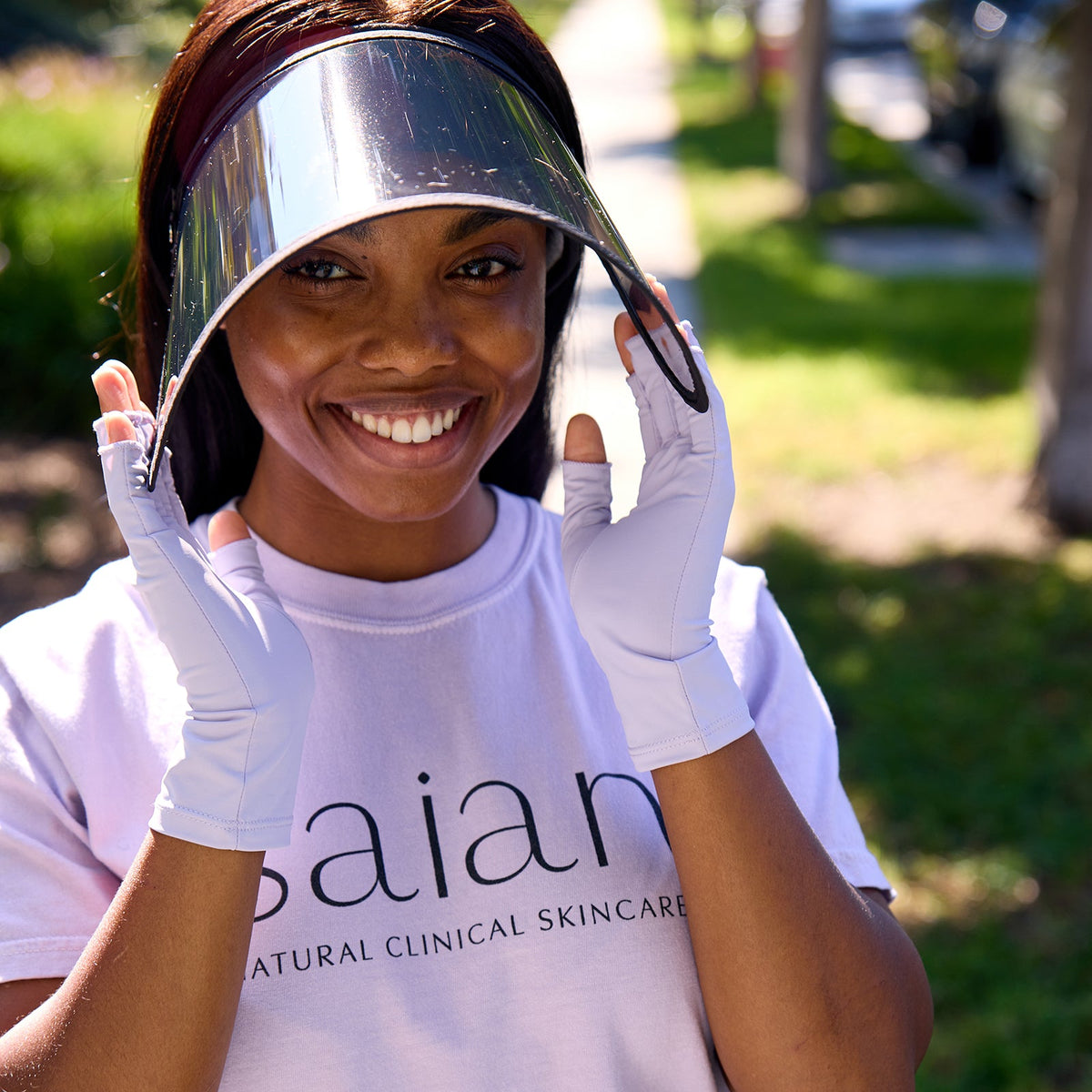
When most people think about sun protection, they immediately reach for sunscreen or a wide-brimmed hat. But there’s one overlooked tool that offers powerful and consistent defense against UV damage—UPF gloves. Whether you’re behind the wheel, out for a walk, or getting a gel manicure, these lightweight gloves can make a world of difference for your skin’s health and appearance. What Are UPF Gloves? UPF stands for Ultraviolet Protection Factor, a rating that tells you how effectively a fabric shields your skin from harmful UV rays. Unlike regular clothing, UPF-rated fabrics are tested and proven to block both UVA and UVB rays, the main culprits behind premature aging, sunspots, and skin cancer. UPF gloves are typically fingerless or designed with cutouts so you can still use your phone, handle keys, or work with precision—all while protecting the delicate skin on your hands. Benefits of UPF Gloves 1. Protection While Driving Even if you rarely spend time lounging in the sun, your hands are exposed to significant UV damage every day while driving. Car windows block most UVB rays (the ones that cause burns), but UVA rays penetrate glass and lead to collagen breakdown, wrinkles, and pigmentation. UPF gloves act as a barrier, keeping your hands youthful and even-toned. They’re especially important if you live in sunny climates or commute daily. 2. Safer Outdoor Walks Walking the dog, pushing a stroller, or enjoying a lunchtime stroll all add up to daily sun exposure. Because the skin on the backs of your hands is thin and often overlooked in sunscreen application, it’s one of the first places to show signs of aging. UPF gloves eliminate the need to constantly reapply sunscreen. They also protect against the heat and drying effect of direct sun. 3. Essential During Gel Manicures Gel manicures are beautiful and long-lasting—but the UV or LED lamps used to cure gel polish emit UVA rays. Repeated exposure can accelerate skin aging and increase the risk of skin damage. UPF gloves with cut-off fingertips let you protect your hands while still enjoying flawless nails. Dermatologists increasingly recommend them as a safe, stylish solution for frequent salon-goers. The Beauty of Consistency The best skincare routines are about prevention as much as treatment. While serums, peels, and laser treatments can help correct sun damage, UPF gloves prevent it from happening in the first place. They’re reusable, eco-friendly, and a one-time investment in your skin’s long-term health. Final Thoughts Your hands do it all—and they deserve protection. UPF gloves are a simple, effective way to safeguard against UV damage during everyday activities. Think of them as sunscreen’s stylish, reliable sidekick: no mess, no reapplication, just effortless protection. Pro tip: Keep a pair in your car, gym bag, or manicure kit so you’re always prepared.
Learn more
Why Blue Light is Bad for Hyperpigmentation: What Every Esthetician Should Know
As licensed estheticians, understanding how different wavelengths of light affect the skin is essential—especially when working with clients struggling with hyperpigmentation and melasma. While LED light therapy is a staple in many treatment rooms, not all light is beneficial for every skin concern. In fact, blue light (within the visible spectrum) may be doing more harm than good when it comes to pigment disorders. The Science of Light and Skin Light is measured in nanometers (nm), and the visible light spectrum spans from approximately 400–700 nm. Just beyond the visible range are ultraviolet rays—UVA (315–400 nm) and UVB (280–315 nm)—which are well-known culprits behind pigmentation, sun damage, and skin aging. Blue light, used in many esthetic LED devices, typically falls between 400–500 nm, placing it right next to UVA. Because of this proximity, blue light carries similar risks when it comes to triggering melanin production and worsening hyperpigmentation. Multiple studies have shown that blue light exposure can increase melanin synthesis, especially in skin types III and higher. The result? Long-lasting and often stubborn pigmentation—particularly for those with melasma. Blue Light from Skincare LED Devices: A Real Concern It’s important to distinguish between blue light emitted from screens and the high-intensity blue light used in LED skincare devices. In the treatment room or during at-home facials, blue LED panels or masks are often marketed for acne because of their antibacterial effects against C. acnes. However, these same blue wavelengths can exacerbate melasma and post-inflammatory hyperpigmentation (PIH) in sensitive clients. Estheticians should avoid using blue LED devices on clients with: Active melasma PIH from acne or inflammation Fitzpatrick skin types III–VI Even brief sessions of blue light therapy can result in pigmentation that persists for days or even weeks. The effects are cumulative and dose-dependent, meaning repeated use increases the likelihood of hyperpigmentation. Green and Purple Light: More Hype Than Help Green and purple (violet) light often appear in multicolor LED masks and handheld devices. Marketing claims suggest green light can "brighten" or "reduce discoloration," but there is currently little to no clinical evidence supporting its efficacy for hyperpigmentation or melasma in esthetic practice. Purple light is typically a combination of red and blue wavelengths, aimed at both acne and inflammation. However, the inclusion of blue light still poses a risk for pigment-prone clients. These lights are often too shallow in penetration to offer meaningful benefits and should be considered ineffective for treating hyperpigmentation. Red, Amber, and Infrared: Safe and Supportive In contrast, red (620–750 nm), amber/yellow (590–620 nm), and near-infrared (700–1200 nm) light have been shown to be non-pigmenting and safe for use on all skin tones, including those prone to melasma. These wavelengths offer the following benefits: Red light: Stimulates collagen, reduces inflammation, and improves wound healing without triggering melanogenesis. Amber/yellow light: Calms sensitive skin, reduces redness, and supports post-treatment recovery. Infrared light: Penetrates deeper layers of skin and muscle, promoting circulation and tissue repair. For clients with melasma or pigment instability, these wavelengths are ideal for: Supporting barrier repair after chemical peels or microneedling Reducing inflammation that could lead to rebound pigmentation Enhancing skin rejuvenation without risk of darkening What Estheticians Should Do Evaluate the device: Always verify the nanometer range of any LED device used in your treatment room or retail offerings. Avoid devices emitting blue light for clients with pigment issues. Customize the protocol: Choose only red, amber, or infrared light for clients with melasma or PIH. Incorporate calming masks and barrier-repair serums in post-LED routines. Educate clients: Many clients now use at-home LED masks or wands. Advise them to avoid devices with blue or multicolor settings unless prescribed for active acne—and only for short durations under your guidance. Protect year-round: Even though this blog focuses on skincare devices and not ambient blue light from screens, it's still wise to advise broad-spectrum SPF with iron oxides for added protection. While LED therapy can be a powerful tool in the esthetic treatment room, not all wavelengths are safe for every client concern. Blue light, though effective for acne, can worsen melasma and pigmentation. Green and purple lights offer little clinical benefit for pigment correction or any other skin condition. Stick with red, amber, and infrared for skin rejuvenation, healing, and safe pigmentation management. Understanding the science of light and the individual needs of each client will elevate your protocols and ensure the best outcomes—especially for those navigating the complex world of hyperpigmentation.
Learn more
Shielding Your Style: A Guide to UV-Protective Clothing
In the pursuit of radiant skin and outdoor adventures, protecting oneself from the harmful effects of the sun's ultraviolet (UV) rays is paramount. While sunscreen is a staple in our sun defense arsenal, did you know that your clothing can also play a crucial role in shielding you from UV radiation? Enter UV-protective clothing - your stylish armor against sun damage. Let's dive into the world of UPF ratings, fabrics, and clothing types that offer superior protection against both UVA and UVB rays.UPF, or Ultraviolet Protection Factor, is the numerical rating system used to measure the effectiveness of fabrics in blocking UV radiation. Similar to SPF (Sun Protection Factor) for sunscreen, UPF indicates how much UV radiation can penetrate the fabric and reach the skin. Here's a quick breakdown:- UPF 15-24: Good UV protection- UPF 25-39: Very good UV protection- UPF 40-50+: Excellent UV protectionFabrics for Ultimate Protection:1. Polyester: This synthetic fabric is a top contender for UV protection due to its tight weave and moisture-wicking properties. It offers excellent UPF ratings, making it a popular choice for outdoor activities like hiking, swimming, and sports.2. Nylon: Another synthetic fabric known for its durability and quick-drying capabilities, nylon is often treated with UV-absorbing agents for enhanced sun protection. Look for garments made from nylon with UPF ratings for optimal shielding against UV rays.3. Cotton: While cotton is a breathable and comfortable option for everyday wear, it typically provides only minimal UV protection when dry. However, some manufacturers offer cotton clothing with UPF treatments or dense weaves for improved sun defense.4. Linen: Lightweight and breathable, linen is a natural fiber that provides some protection against UV rays. However, like cotton, its UPF rating may be lower unless specially treated or tightly woven.5. Denim: Denim fabric, commonly used in jeans and jackets, naturally offers moderate protection against UV radiation due to its dense weave and dark color. While not as high as some synthetic fabrics, denim can still help shield your skin from the sun's harmful rays.Types of UV-Protective Clothing:1. Shirts: Long-sleeved shirts with UPF ratings are a versatile choice for sun protection. Look for lightweight, moisture-wicking fabrics with added ventilation for comfort in warm weather.2. Pants and Shorts: Opt for long pants or shorts made from UV-protective fabrics for coverage during outdoor activities. Consider styles with built-in UV protection for added convenience.3. Hats: Wide-brimmed hats offer essential protection for your face, neck, and ears. Look for hats with UPF ratings and breathable materials like polyester or straw for comfort.4. Swimwear: Swim shirts and rash guards made from UV-protective fabrics are essential for sun safety during water activities. Choose styles with high UPF ratings and chlorine-resistant properties for durability.5. Gloves: Protect your hands from UV exposure with gloves made from UPF-rated fabrics. Opt for lightweight, breathable styles that offer coverage without compromising dexterity.6. Accessories: Don't forget to protect your eyes with sunglasses that block 100% of UV rays. Additionally, consider wearing scarves and using umbrellas made from UV-protective materials for extra coverage when outdoors.Incorporating UV-protective clothing into your wardrobe is a smart and stylish way to safeguard your skin from the sun's harmful rays. Whether you're hitting the trails, lounging by the pool, or enjoying a leisurely stroll, choosing clothing with UPF ratings and UV-blocking fabrics ensures that you stay protected and fashionable under the sun. So, embrace sun-safe style and make every day a sun-safe adventure!
Learn more